

How to Clean and Look After Your Muay Thai Shin Guards (Australia 2026)
By Martial Arts Supplies Australia (MASA)

You finish a hard sparring session, peel your shin guards off, and that wave of heat and sweat hits you. The straps feel heavy, the lining is damp, and if you toss them straight into your bag, you already know what tomorrow smells like.
Here's the honest truth — just like your gloves, once that smell gets deep into the lining and foam of your shin guards, you can't get it out. The bacteria that causes it isn't just unpleasant — it breaks down materials, irritates your skin, and can cause rashes and infections right where the guard sits against your leg.
Start the No Stink routine from day one. Don't wait until the problem is already there.
Why Shin Guards Get So Gross
During a normal Muay Thai session, your shins and feet sweat under pressure, your partner's kicks grind that sweat into the lining, and the straps soak it up like a towel. Foam padding is great for impact — but it's also great at holding moisture if you don't dry it properly.
The smell isn't just sweat. It's bacteria feeding on sweat and skin oils. Leave shin guards damp in a sealed bag and you're re-wearing yesterday's bacteria next session. That's when skin issues start — folliculitis, rashes appearing right where the guard sits, and the kind of funk that makes your training partners take a step back in clinch.
In Australia — particularly in Perth and Queensland — heat and humidity make this worse. Gear that might dry overnight in a cooler climate can stay damp for a full day or more if you're not on top of it.
The After-Training Routine (Do This Every Session)
The best answer to keeping shin guards clean is this: wipe them down after every single session. A deep clean once a month won't save gear that sits wet in a bag four times a week.
1. Undo every strap and open the guard up fully. Your goal is airflow. Sweat trapped inside is what becomes permanent odour.
2. Wipe the inside lining first. Use a clean microfibre cloth or paper towel. Work through the foot pad area, then up the shin — these are the zones that collect the most sweat.
3. Wipe the straps. Straps soak up as much sweat as the lining. Don't skip them.
4. Wipe the outer shell. Sweat salts and skin oils dry on the outside surface and cause cracking over time, especially on leather guards.
5. Get them out of your bag. If you're commuting home, keep the bag unzipped or clip them to the outside. A closed gym bag is a warm incubator. Wet gear sealed in tight is where smell becomes permanent.
6. Pop the No Stink in the bag with your shin guards. Unlike gloves — where the deodoriser goes inside the glove itself — for shin guards, drop the No Stink into your gym bag alongside them after training. It absorbs moisture and neutralises odour from everything in the bag overnight. Keep a separate deodoriser for your gloves.
A Note on Spats and Shin Guard Sleeves
Some fighters wear spats or compression leggings under their shin guards. This is a smart habit — the layer between your skin and the guard lining reduces direct sweat contact significantly, which means less bacteria transfer into the foam. If you're training hard and want to extend the life of your shin guards, spats are worth considering.
Even with spats, you should still wipe down after every session — sweat still travels and straps still soak it up. And treat your spats like your hand wraps: wash them every single session. Putting on yesterday's damp spats under your shin guards defeats the whole purpose.
👉 Shop Spats & Compression Shorts at MASA
Deodorisers Work on Shin Guards Too
The same deodorisers we recommend for gloves work perfectly for shin guards — and if you use them consistently from day one, you'll rarely need to do a deep clean of the inside.
No Stink Equipment Deodorisers — $19.95
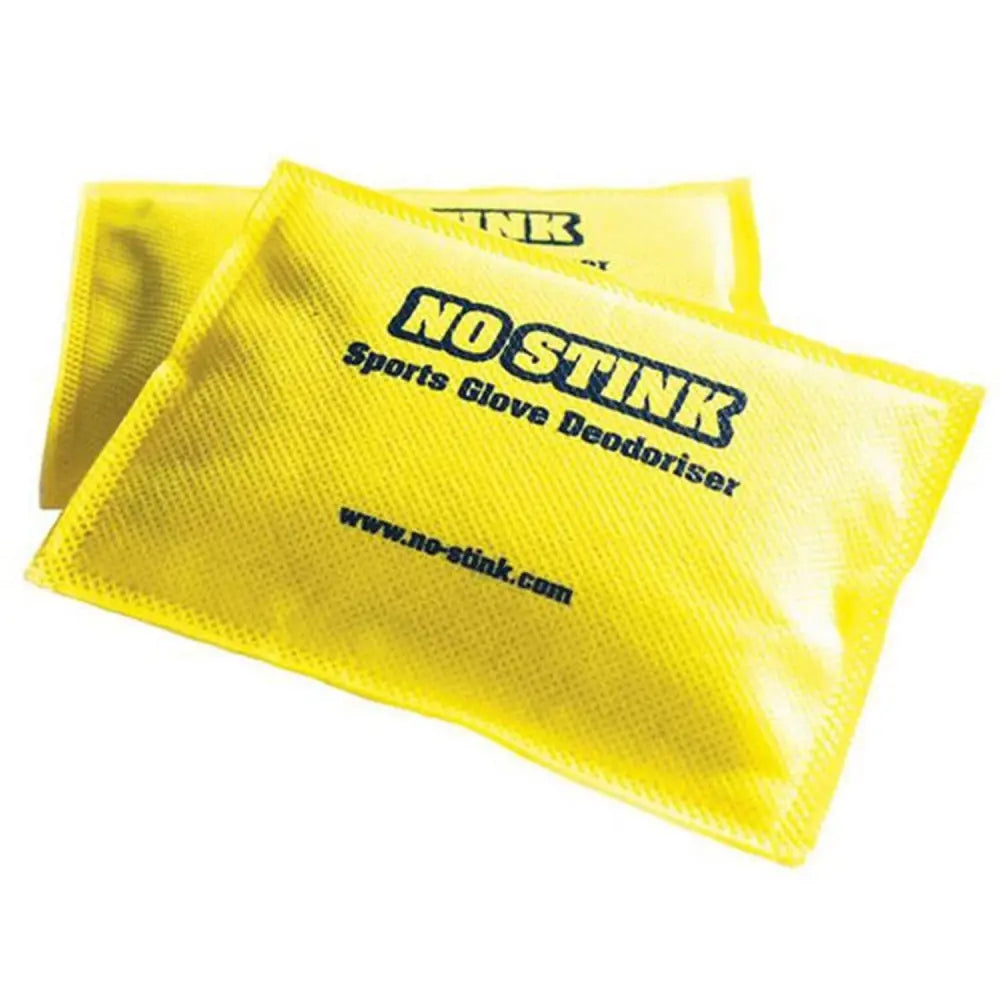
Bamboo charcoal deodorisers that absorb moisture and neutralise odour naturally. Works on shin guards, gloves, headgear, and boots. No chemicals, no fragrance — just absorption.
👉 Shop No Stink Equipment Deodorisers — $19.95
Venum Kontact Deodoriser Ice — $19.99
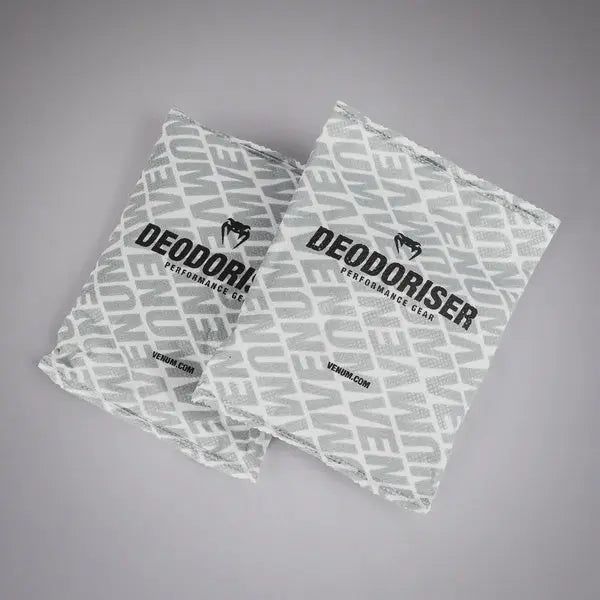
Bamboo charcoal with a fresh ice scent. Anti-bacterial, anti-moisture, non-toxic. Can be rejuvenated by placing in direct sunlight for an hour every 3–4 weeks.
👉 Shop Venum Kontact Deodoriser Ice — $19.99
The Deep Clean (Every 2–4 Weeks)
If you've been consistent with your after-training wipe and deodoriser, a deep clean every 3–4 weeks is plenty. If you're training hard in humid conditions or skipped a few sessions of the routine, go every 2 weeks.
What you need:
- Warm water (not hot)
- Mild dish soap or gentle detergent
- Soft cloth or sponge
- Old toothbrush for straps and stitching
- Clean dry towel
- Optional: 70% isopropyl alcohol diluted 1:1 with water for a light disinfecting wipe
Method — wipe clean, do not soak:
- Dry press first. If the guards are still damp, press a towel into the lining to pull moisture out before adding any water.
- Make a mild soap solution. A few drops of soap in a bowl of warm water. You want clean, not bubbly.
- Wipe the lining in sections. Focus on the foot pad and the top edge where sweat collects. Work section by section.
- Scrub straps and stitching with a toothbrush. Hit the Velcro edges, seams, and any textured areas where grime builds up.
- Wipe the outer shell. Remove sweat salts and oils that dry out and crack the surface over time.
- Rinse wipe. Use a second cloth dampened with clean water to remove all soap residue.
- Dry towel press. Press firmly into the lining and straps to pull as much water out as possible.
- Air dry fully. Straps open, lining facing open air. More on this below.
What Not to Do
Don't machine wash unless the manufacturer specifically says it's OK. Agitation damages layered foam, weakens glued seams, and ruins Velcro.
Don't soak them. Foam holds water and can take days to dry. Long soaking is how you end up with permanently damp guards that smell worse after washing.
Don't use hot water. Heat weakens adhesives and can warp foam.
Don't use bleach or harsh chemicals. They break down materials and can irritate your skin.
Don't use a clothes dryer. Tumbling plus heat deforms shin guards fast.
Don't use heavy fragrance sprays. They mask odour without fixing it and can irritate your skin during training.
What About Stubborn Odour?
If your shin guards already have that old-gym-bag funk, it means the inside stayed damp for too long, too many times. You're not fighting smell at that point — you're fighting bacteria that's worked its way into the lining and foam.
Isopropyl alcohol (70%): Dilute 1:1 with water, wipe lightly on the lining and strap areas. Don't soak — a light wipe is enough. Let them dry fully before training. Important caveat — avoid alcohol-based sprays on leather or synthetic leather outer shells as they can dry out and crack the material over time. Stick to the lining and strap areas only, or use a sports gear-specific disinfectant spray instead. If your skin is sensitive, stick with mild soap throughout.
Baking soda: Useful for absorbing stubborn odour, but only once the shin guard is mostly dry inside. Sprinkle a small amount into the lining, leave overnight, then shake out completely. It's not a disinfectant — it helps with smell but doesn't replace the wipe-down and drying routine.
Masking sprays don't solve the problem if moisture is still trapped in foam. Dry them properly first, then treat the odour.
Cleaning is only half the job. If your shin guards don't dry all the way through, the smell comes back fast even after a good scrub.
Airflow beats heat. Set them in a well-ventilated spot, straps open, lining facing open air. A fan in the room makes a real difference. In humid weather, a dehumidifier works better than putting gear in strong sun.
Go easy on direct sunlight. A little indirect sun is fine, but baking leather or synthetic leather in strong Australian sun can dry it out and cause cracking.
How long should they take? In a well-ventilated room, most shin guards dry fully overnight. If the lining still feels damp the next day, you need more airflow or a full day between sessions.
Rotate if you train hard. If you're training five or six days a week, give shin guards at least a full day to dry between sessions. Foam that never fully dries compresses faster and starts to feel flat on checks.
Leather vs Synthetic — Does It Change How You Clean Them?
Leather shin guards (Fairtex, Arwut): Use less water and wipe more. Leather doesn't like being saturated. After cleaning, dry naturally, then apply a small amount of leather conditioner to the outside only — not the lining or Velcro. Sweat salts dry leather out over time, so a consistent wipe-down after every session matters more than any occasional treatment.
Synthetic/microfibre shin guards (RingHorns): Easier to maintain and more moisture resistant. Same process applies — don't soak, avoid heat, and air dry fully. The lining and foam are still the limiting factors, not the outer shell.
Velcro and Straps — Don't Ignore Them
Velcro gets clogged with lint, hair, and gym dust. If it stops gripping properly, your shin guards shift during sparring — exactly when you need them locked in.
- Pick lint out after every session
- Use an old toothbrush on the Velcro surface weekly
- Always close the straps when storing to prevent them grabbing fabric in your bag
- Check stitching near the straps every week — sweat acts like sandpaper on seams over time
Storage Habits That Make Shin Guards Last
Never store damp shin guards in a sealed bag. Separate wet items — damp shorts, wraps, and rash guards can transfer odour to your shin guard lining. Use a mesh pocket or separate pouch if your bag allows it.
Weekly, take 30 seconds to check the edge binding, foot strap area, and stitching. Consistent care means Velcro stays grippy and straps stay firm for much longer.
Don't Share Shin Guards
Sharing shin guards might seem generous but it's genuinely not a good idea. You're trading sweat, bacteria, and foot fungus risk between training partners. More seriously, if either person has open cuts or scratches on their shins or feet, shared guards become a real vector for staph infection — which is more common in Muay Thai and grappling environments than most people realise and can put you out of training for weeks. Keep your shin guards to yourself.
How Often Should You Clean Your Shin Guards?
| Task | Frequency | Why |
|---|---|---|
| Wipe down and air out | After every session | Prevents bacteria and odour buildup |
| No Stink in gym bag | After every session | Controls moisture and odour across all gear |
| Velcro and strap check | Once a week | Maintains grip and security |
| Deep clean | Every 2–4 weeks | Removes built-up sweat residue |
| Leather conditioning | Every 2–3 months (leather only) | Prevents cracking and dryness |
When to Replace Your Shin Guards
Cleaning extends life but can't fix structural breakdown. Replace when:
- Foam feels thin in high-impact zones and you can feel bone on hard checks
- The outer shell is splitting or peeling enough to expose foam
- Straps no longer hold the guard in position during sparring
- Odour returns immediately even after deep cleaning and full drying
A quality pair should last 2–4 years with proper care. Foam that's never fully dried compresses faster — rotating pairs significantly extends the life of both.
Quick Reference Checklist
After every session:
- [ ] Undo all straps and open guard fully
- [ ] Wipe inside lining — foot pad and shin area
- [ ] Wipe straps
- [ ] Wipe outer shell
- [ ] Get them out of your bag to air dry
- [ ] Store in bag with No Stink deodoriser nearby (keep glove deodoriser for gloves)
Once a week:
- [ ] Clean Velcro with toothbrush
- [ ] Check stitching and edge binding
Every 2–4 weeks:
- [ ] Full deep clean with mild soap solution
- [ ] Rinse wipe to remove soap residue
- [ ] Dry towel press, then full air dry
Every 2–3 months (leather only):
- [ ] Light leather conditioner on exterior
Final Thought
The cleanest fighters aren't the ones with the most products. They're the ones with the best habits. Wipe them down every session, get the No Stink in from day one, dry them properly, and your shin guards will last for years. Clean gear means you train with confidence — and your sparring partners will thank you for it.
Shop Shin Guards at MASA
👉 Arwut Shin Guards 👉 Fairtex Shin Guards 👉 RingHorns Shin Guards 👉 No Stink Equipment Deodorisers — $19.95 👉 Venum Kontact Deodoriser Ice — $19.99
Related Guides
- How to Clean and Look After Your Boxing Gloves
- Best Gloves for Muay Thai Training in Australia
- Choosing the Right Muay Thai Gloves — The Full Buying Guide
- MMA Gear Australia — The Complete Beginner's Guide
- How to clean your hand wraps
Martial Arts Supplies Australia (MASA) — 23 Pearson Way, Osborne Park 6017 | info@masupplies.com.au | 0456 404 279 Flat rate shipping Australia $10 | New Zealand $30